WELCOME TO THC GUMMIES AUSTRALIA SHOP

WELCOME TO THC GUMMIES AUSTRALIA SHOP
THC Gummies online Australia
Premium THC gummies in Australia, THC gummies sydney, THC gummies Brisbane, Best THC gummies Australia, THC gummies au. Trusted cannabis edibles for a smooth experience.
Why THC Gummies from Our Shop?
Premium THC gummies made with the highest quality ingredients.
Hassle-free shopping for premium THC gummies. Smooth ordering process
Fast responses, reliable assistance, and a seamless shopping experience anytime.
Shop with confidence with our 100% refund policy, ensuring risk-free purchases
THC Gummies represent a popular form of medicinal cannabis product available to eligible patients in Australia. These edible treats contain tetrahydrocannabinol, the primary psychoactive compound in cannabis, carefully dosed and formulated into convenient gummy form for precise administration. Unlike traditional smoking or vaping methods, THC Gummies offer a discreet, smoke-free option that many patients prefer for managing specific health conditions under medical supervision. In the Australian context, these products are regulated strictly by the Therapeutic Goods Administration and classified as Schedule 8 controlled substances when containing significant levels of THC. This means they cannot be purchased over the counter or from unregulated online sellers. Patients seeking THC Gummies must work with authorised medical practitioners who can assess suitability based on individual medical history and treatment needs. Quality controlled manufacturing ensures consistent potency and purity when sourced through legitimate channels.
The growing interest in THC Gummies stems from their potential role in supporting symptom management for various conditions where conventional treatments may have limited success. Australian patients report interest in these products for issues such as chronic pain, sleep disturbances, and nausea associated with certain therapies. Because the effects of oral THC develop more gradually than inhaled forms, users often experience a longer-lasting response that some find beneficial for sustained relief throughout the day or night. It remains essential to recognise that THC Gummies are not recreational products in Australia. Any use outside of a valid prescription pathway violates federal and state laws. Consulting a qualified healthcare professional is the only appropriate first step for anyone considering medicinal cannabis options, including THC Gummies, to ensure safety and legal compliance.
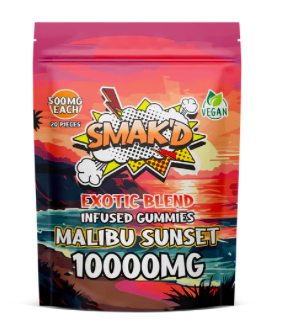
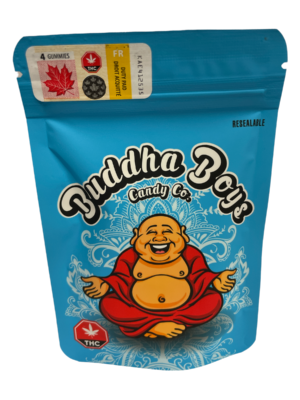
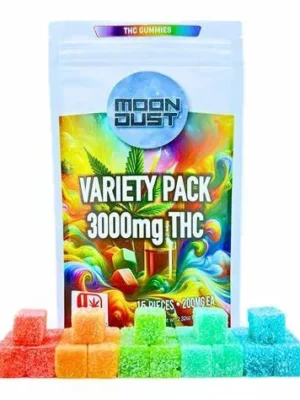

THC Gummies remain illegal for recreational use throughout Australia as of 2026. Federal law under the Narcotic Drugs Act and Therapeutic Goods Administration guidelines classifies products containing meaningful amounts of THC as controlled drugs. Possession, supply, or manufacture of such items without proper authorisation can lead to serious legal consequences, including fines or criminal charges depending on the jurisdiction and quantity involved. While the Australian Capital Territory allows limited personal cultivation of cannabis plants for adults, this does not extend to commercial production or sale of THC Gummies. Other states and territories maintain stricter prohibitions on non-medicinal cannabis activities. Hemp-derived products with very low THC levels follow different rules, but genuine THC Gummies intended for psychoactive or therapeutic effect require medical oversight.
Medicinal access provides the sole legal pathway for THC Gummies. Patients may obtain them through the Special Access Scheme or Authorised Prescriber scheme after a medical practitioner determines that the product is clinically appropriate. These pathways involve applications to the Therapeutic Goods Administration and dispensing exclusively through licensed pharmacies. Unregulated products sold online or through unofficial channels carry significant risks of contamination, inaccurate dosing, and legal penalties. Australians should avoid any source that claims to sell THC Gummies without a prescription requirement. Staying informed about current regulations through official government resources helps patients and the public understand the clear distinction between illegal recreational markets and the tightly controlled medicinal cannabis framework that includes THC Gummies.
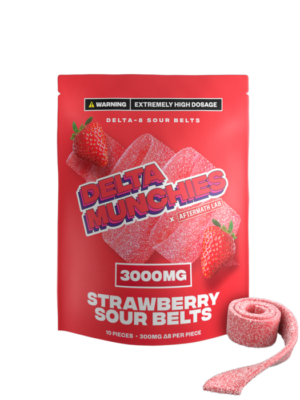


Accessing THC Gummies legally begins with a consultation with a medical practitioner experienced in medicinal cannabis. Many patients start with a telehealth appointment through specialised clinics, where doctors evaluate medical history, previous treatments, and potential benefits. If the practitioner believes THC Gummies may be suitable, they can apply under the Special Access Scheme or act as an Authorised Prescriber. Approval processes have become more streamlined in recent years, often resulting in decisions within a short timeframe once the necessary information is submitted. Once approved, the prescription is sent to a compounding pharmacy or licensed supplier that prepares or sources the specific THC Gummies formulation.
Patients then collect or receive their prescribed THC Gummies from an authorised pharmacy. Pharmacists play an important role in counselling on correct dosing, potential interactions with other medications, and safe storage. Dosage typically starts low and may be adjusted based on individual response under ongoing medical supervision. It is important to note that THC Gummies are not subsidised under the Pharmaceutical Benefits Scheme in most cases, so patients should discuss costs during the consultation. Driving laws remain strict: detectable THC in the system can result in charges regardless of a valid prescription. Working exclusively within the regulated system ensures that patients receive properly manufactured products while remaining fully compliant with Australian law regarding THC Gummies.



Medicinal THC Gummies are prescribed in Australia primarily to support symptom management rather than to cure underlying conditions. Research and clinical experience suggest that THC may help some patients with chronic pain that has not responded adequately to other therapies. The oral delivery method provides gradual onset and prolonged effects, which can be useful for nighttime symptoms or sustained daytime comfort. Certain patients with chemotherapy-related nausea or appetite challenges have also found benefit under medical guidance. Because the gummy format allows precise dosing, practitioners can tailor the amount of THC to individual needs more easily than with some other cannabis preparations.
Additional reported benefits among prescribed patients include support for sleep quality and reduction in certain types of anxiety or muscle-related discomfort. Effects vary widely between individuals due to differences in metabolism, tolerance, and the specific formulation used. Full-spectrum or specific strain-based THC Gummies may offer different profiles of supporting compounds that influence the overall experience. It is critical to approach these potential benefits with realistic expectations and under professional supervision. THC Gummies are not suitable for everyone, and a thorough medical assessment is required to determine whether the risks outweigh possible advantages. Ongoing monitoring by a healthcare provider helps optimise outcomes while prioritising patient safety within Australia’s medicinal cannabis framework.
Recently Added Products

| Aspect | THC Gummies | CBD Gummies | Hemp Gummies |
|---|---|---|---|
| Primary Active Compound | Tetrahydrocannabinol (THC) – the main psychoactive cannabinoid | Cannabidiol (CBD) – non-psychoactive cannabinoid | Typically CBD or other minor cannabinoids from industrial hemp; very low or negligible THC |
| Psychoactive Effects | Yes – produces a “high,” euphoria, altered perception | No – does not produce a high | No – non-psychoactive |
| Typical THC Content | Significant (e.g., 5–30+ mg per gummy, often THC-dominant) | Trace or very low (usually ≤1–2% of total cannabinoids) | Extremely low (compliant with hemp standards, often <0.3% or food-grade limits) |
| Main Potential Uses | Medicinal: chronic pain, nausea, appetite stimulation, sleep support, certain neurological symptoms | Anxiety relief, inflammation support, sleep, stress management, general wellness | General wellness, mild relaxation, nutritional support (if containing hemp seed extracts) |
| Onset & Duration | Delayed onset (30–90+ minutes); longer-lasting effects (4–8 hours) | Delayed onset (30–90 minutes); effects typically last several hours | Similar delayed onset; milder and shorter-lived effects due to low potency |
| Common Side Effects | Drowsiness, dry mouth, increased heart rate, impaired coordination, possible anxiety or paranoia at higher doses | Generally mild: drowsiness, dry mouth, changes in appetite; fewer psychoactive risks | Minimal; similar to low-dose CBD or none if primarily hemp seed-based |
| Legal Status (Australia) | Schedule 8 controlled drug – prescription only via TGA Special Access Scheme or Authorised Prescriber; recreational use illegal | Mostly Schedule 4 (prescription); low-dose CBD theoretically Schedule 3 (pharmacist-only) but limited approved products available | Generally legal if THC is within strict food/hemp limits (e.g., industrial hemp standards); cannot contain significant THC |
| How Obtained | Only with valid medical prescription from authorised practitioner; dispensed via licensed pharmacy | Prescription or (rarely) pharmacist supply for low-dose approved products; many still require prescription | Over-the-counter as food supplements or wellness products (if compliant); no prescription needed for true low-THC hemp versions |
| Regulatory Oversight | Strict TGA control as unapproved medicinal cannabis products in most cases | TGA-regulated as medicinal cannabis or pharmacist-only medicine | Food Standards Australia New Zealand (FSANZ) for hemp seed foods; lower regulatory burden if non-medicinal |
| Best For | Patients needing stronger symptom relief under medical supervision | Those seeking non-intoxicating support for stress, inflammation, or mild symptoms | Everyday wellness users wanting legal, non-psychoactive options with minimal regulatory hurdles |
Safety Considerations and Side Effects of THC Gummies
Every Schedule 8 medicine, including THC Gummies, comes with risks and potential side effects. Before using, patients should know these side effects. These can include drowsiness, dry mouth, a change in appetite, temporary impairment of concentration and coordination, and alteration of the perception of time. Some patients may also experience anxiety, an increased heart rate, or dizziness. These side effects occur more in patients taking a high dose or patients taking the medicine for the first time. Because THC Gummies take longer to take effect, patients may think they did not work and take more, resulting in overdose. Taking the lowest effective dose under medical supervision decreases the risk of overdose.
There are also populations in which THC Gummies should not be used. This includes patients who have had psychosis or schizophrenia, patients who have cardiovascular disease, and pregnant or breastfeeding patients. There should also be caution when using these if you are under 18. These should also not be used when you have medical conditions that would also prevent you from using cannabis in other forms. There should also be caution used when other medicine that affects your central nervous system is being used. Everyone should be aware of the laws where they reside pertaining to THC use. This includes laws pertaining to their workplace and driving. They should also be stored in a locked spot away from kids and pets. Regular appointments also help take the adverse effects of THC Gummies use into consideration.
Choosing Quality THC Gummies from Licensed Sources
When selecting THC Gummies, Australian customers must differ between quality and consistency. THC Gummies dispensed by licensed pharmacies or compounding facilities are required to be tested for potency and contamination as well as microbial safety by the Therapeutic Goods Administration. To ensure safe sourcing, THC Gummies must be obtained from reputable suppliers which require a prescription. Verified suppliers provide clear labeling of THC concentration per gummy, batch number, and instructions for storage. THC Gummies must be purchased from a licensed supplier due to potential legal and health risks of illicitly obtained Gummies.
With authorized prescribers, patients can discuss available THC Gummy formulations, strengths, flavors, and combinations with other cannabinoids. Compounded THC Gummies can be formulated to meet an individual’s unique dosing needs. Regular communication with the prescriber and pharmacist ensures the selected THC Gummies continue to achieve the desired therapeutic effect. The dynamic medical cannabis market in Australia continues to grow, however using THC Gummies in this market continues to be regulated and safe. For legitimate health needs, THC Gummies should only be purchased from reputable sources.
Latest From Our Blog

THC Chocolate vs THC Gummies: Which Edible is Right for You? THC…

How Long Does CBD Gummy Effect Last? How Long Does CBD Gummy…
What Are Hemp Gummies Used For? Hemp gummies serve as a natural…

Can You Bring Hemp Gummies on a Plane? Travelers often have a…
Frequenly Asked Questions on THC Gummies in Australia
1. What are THC gummies?
THC gummies are edible products containing tetrahydrocannabinol (THC), a cannabinoid found in cannabis. Unlike inhaled cannabis, THC gummies are consumed orally and pass through the digestive system before their active ingredients enter the bloodstream. Because of this difference, THC gummies can have a slower onset and a longer-lasting effect than inhaled cannabis.
The effects of THC gummies can vary considerably depending on the amount of THC, the formulation, an individual’s metabolism, previous exposure to THC, food intake and other factors. THC is psychoactive, meaning THC gummies containing sufficient amounts of THC can cause intoxication or a “high.” Healthdirect describes THC as the cannabinoid responsible for the psychoactive effects of cannabis.
In Australia, people should also distinguish between recreational cannabis products and medicinal cannabis products prescribed through Australia’s regulated medical framework.
2. Are THC gummies legal in Australia?
The legality of THC gummies in Australia depends on what the product contains, how it is classified, where it comes from and whether it is being supplied through an authorised pathway.
Medicinal cannabis products are regulated under Australia’s therapeutic-goods and medicines framework. The TGA explains that most medicinal cannabis products supplied in Australia are unapproved therapeutic goods, although lawful access pathways exist for appropriately prescribed products.
Australians should therefore not assume that a THC gummy sold on an overseas website, marketplace or social-media account is automatically legal to possess, import or supply in Australia. Different state and territory laws may also apply. Before obtaining or using THC gummies, consumers should verify the legal status of the particular product and seek advice from an appropriately qualified Australian healthcare professional or relevant authority.
3. Can Australians buy THC gummies online?
The question of buying THC gummies online in Australia involves both supply and advertising rules. Simply seeing THC gummies displayed on a website does not establish that the product can lawfully be supplied to Australian consumers.
The TGA states that prescription medicines and unapproved therapeutic goods are generally prohibited from being advertised to the public. Its current guidance specifically discusses online material and says businesses need to consider whether content promotes the use or supply of prescription medicines.
Australians considering medicinal cannabis should therefore use an appropriate healthcare pathway rather than relying on an online retailer’s claims about legality, safety or regulatory approval.
4. Do THC gummies require a prescription in Australia?
For THC gummies containing medicinal cannabis, whether a prescription is required depends on the specific product and its regulatory classification. Medicinal cannabis is generally treated as a prescription medicine in Australia.
Healthdirect explains that medicinal cannabis is a cannabis product prescribed by a registered healthcare practitioner.
The TGA also explains that many medicinal cannabis products available in Australia are unapproved therapeutic goods but can nevertheless be lawfully prescribed through particular access pathways.
Therefore, Australians should not assume that a THC gummy is lawful simply because a website sells it. The appropriate pathway depends on the product, formulation and individual circumstances.
5. How long do THC gummies take to work?
THC gummies generally take longer to produce noticeable effects than inhaled cannabis because the THC must travel through the digestive system and undergo metabolism before producing its effects.
The exact onset can differ substantially between individuals. Factors such as whether the gummy was taken with food, individual metabolism, the formulation of the product and previous exposure to THC can influence how quickly effects are noticed.
One important consequence of the delayed onset is that people may mistakenly think a THC gummy has not worked and consume more. That can result in stronger-than-expected effects later. For prescribed medicinal cannabis, patients should follow their prescriber’s instructions rather than attempting to adjust use based on assumptions about onset.
6. How long do THC gummies last?
The effects of THC gummies can last for several hours, and the duration varies according to the individual, product formulation and amount of THC involved.
Oral THC generally has a different effect profile from inhaled THC because digestion and liver metabolism affect how THC enters the bloodstream. Healthdirect specifically warns that the risk affecting driving can last up to 8 hours after taking oral THC products.
The important point is that there is no universal “THC gummy duration” that applies to everyone. Someone should not use an estimated duration as permission to drive or perform safety-sensitive activities.
7. How long do THC gummies stay in your system?
The answer to how long THC gummies stay in your system depends heavily on what is meant by “stay in your system.” THC itself, its metabolites and the effects of THC are different things.
Drug tests can detect cannabis-related substances for different periods depending on the type of test. Frequency of use, amount consumed, metabolism and other individual characteristics can also influence detection.
Importantly, a positive drug test does not necessarily tell you exactly when THC gummies were consumed or whether someone is currently intoxicated. Australians who face workplace, sporting or legal drug testing should not rely on an estimated detection window as a guarantee of a negative result.
8. Can THC gummies make you high?
Yes, THC gummies can make you high because THC is psychoactive. Healthdirect describes THC as the cannabinoid that produces the “high” associated with cannabis.
Depending on the individual and exposure, THC gummies may produce altered perception, relaxation, drowsiness, changes in attention, impaired coordination or other psychological and physical effects.
Some people may instead experience unpleasant effects such as anxiety, paranoia, dizziness or confusion. The experience can be unpredictable, particularly for someone who has little previous exposure to THC.
9. What do THC gummies feel like?
The effects of THC gummies can vary from person to person. Some individuals may experience relaxation, changes in sensory perception, drowsiness or altered time perception. Others may experience anxiety, dizziness, confusion or impaired coordination.
The experience can also change according to the amount of THC involved and whether other substances have been consumed. Alcohol, for example, can increase impairment when combined with THC.
Because oral THC can have delayed effects, people should not assume that an absence of immediate effects means that consuming more is appropriate.
10. Can THC gummies cause anxiety?
Yes, THC gummies can cause anxiety in some people. THC affects the brain and nervous system, and higher exposure can sometimes produce anxiety, paranoia, restlessness or an uncomfortable change in perception.
The possibility of anxiety is one reason people should not assume that THC will have the same effect on everyone. Individual sensitivity, previous experience with cannabis and the amount of THC can all influence the experience.
If someone experiences severe anxiety, confusion, chest pain, difficulty breathing, loss of consciousness or another serious symptom after consuming THC gummies, medical assistance should be sought.
21. Can you drive after taking THC gummies?
No. THC gummies and driving are a potentially dangerous combination. THC can impair reaction time, coordination, attention and judgment.
Healthdirect specifically advises people not to drive or operate machinery while using medicinal cannabis containing THC and states that the risk associated with oral THC products can last for up to 8 hours. Australian roadside drug testing can also detect THC, and drug-driving penalties apply.
Importantly, feeling normal does not necessarily guarantee that THC is no longer detectable or that driving is legally safe.
22. Can THC gummies show up on a drug test?
Yes, THC gummies can result in a positive drug test because they introduce THC into the body.
Different tests detect different substances and have different detection characteristics. Urine tests generally look for THC metabolites, while oral-fluid testing can detect THC itself.
There is no single guaranteed timeframe that applies to every person. People subject to workplace, sporting, legal or roadside testing should understand that consuming THC can create a testing risk even after the noticeable effects have disappeared.
23. Can THC gummies show up on a saliva test?
Yes, THC from gummies can be relevant to saliva or oral-fluid testing. Australian roadside drug-testing programs can detect THC, which is why consuming THC-containing medicinal cannabis can create legal driving implications.
The detection period is not identical for everyone and should not be reduced to a simple number of hours.
Healthdirect warns that THC-containing medicinal cannabis can affect driving and that positive roadside THC testing can result in legal penalties.
24. Can THC gummies show up on a urine test?
Yes, THC gummies can result in THC-metabolite detection in urine. Urine testing generally detects metabolites produced after the body processes THC rather than directly measuring current intoxication.
The detection period can vary significantly according to frequency of cannabis use, amount consumed, individual metabolism and the characteristics of the test.
Therefore, claims that THC gummies will always leave your urine within a fixed number of days should be treated cautiously.
25. Can THC gummies show up on a blood test?
Yes, THC gummies can lead to detectable cannabis-related compounds in blood. Blood testing and urine testing measure different substances and have different detection characteristics.
Blood testing may be used in particular medical, workplace or legal contexts. A positive result should not automatically be interpreted as proof of a specific level of impairment without considering the testing method and circumstances.
Anyone concerned about drug testing should seek advice relevant to the specific test rather than relying on generic online detection charts.
26. Can THC gummies show up on a hair test?
Cannabis exposure can potentially be identified through hair testing, although hair testing has different limitations from urine, blood and oral-fluid testing.
The presence of cannabis-related compounds in hair does not necessarily establish the exact time of consumption or whether someone was intoxicated at a particular moment.
People facing a formal drug-testing requirement should obtain information about the specific testing procedure being used instead of relying on generic claims about how long THC gummies remain detectable.
27. Why do THC gummies feel different from vaping THC?
THC gummies and inhaled THC reach the body through different routes. When THC is eaten, it passes through the digestive system and liver before producing its effects. When cannabis is inhaled, cannabinoids enter the bloodstream through the lungs.
This difference can influence onset, intensity and duration.
THC gummies therefore should not be treated as simply an edible version of a THC vape. The timing and experience can be substantially different, and oral THC can continue affecting driving ability for hours. Healthdirect specifically identifies oral THC as a driving-risk consideration.
28. Can you take THC gummies on an empty stomach?
The effects of THC gummies on an empty stomach can differ from effects after eating because food can influence gastrointestinal absorption and the timing of oral cannabinoids.
However, there is no universal rule that taking THC gummies on an empty stomach will produce a predictable result. Individual digestion, metabolism and the formulation of the product also matter.
For prescribed medicinal cannabis, Australians should follow the administration instructions provided by their doctor, pharmacist or product information rather than changing how they take THC gummies based on internet advice.
29. How should THC gummies be stored?
THC gummies should be stored securely according to the product’s instructions and kept away from children and pets.
Because gummies can resemble ordinary confectionery, accidental ingestion is a particular concern. Secure storage also helps prevent unauthorised access and protects the product from inappropriate environmental conditions.
If THC gummies are prescribed as medicinal cannabis, patients should follow the storage instructions supplied with the particular product and keep the medication in its original packaging where appropriate.
30. Are THC gummies safe for children?
THC gummies are not appropriate for children unless a specific cannabis medicine has been prescribed and is being used under appropriate medical supervision.
Accidental consumption can result in significant intoxication and may require medical assessment. The confectionery-like appearance of gummies makes secure storage especially important.
Parents and carers should keep THC gummies and other cannabis products inaccessible to children. If a child may have accidentally consumed a THC gummy, seek medical advice promptly rather than waiting for symptoms to develop.
31. Are THC gummies dangerous for pets?
Yes, THC gummies can be dangerous for pets. Animals can respond differently to THC than humans, and accidental cannabis ingestion may cause concerning symptoms.
Because THC gummies can look like ordinary sweets, they should never be left where dogs, cats or other animals can access them.
If a pet consumes a THC gummy, contact a veterinarian or animal poison service promptly and provide information about the product and possible amount consumed.
32. Can Australians travel with THC gummies?
Travelling with THC gummies in Australia can involve both federal and state or territory requirements. Medicinal cannabis supplied under a prescription is not automatically treated the same way as an ordinary consumer product.
Patients should keep prescribed medicines in their original packaging and carry appropriate documentation. Requirements may differ when travelling between jurisdictions, particularly where controlled substances are involved.
Before travelling, Australians should check the current requirements for both the departure and destination jurisdictions rather than assuming that a prescription automatically resolves every travel restriction.
11. Can THC gummies make you sleepy?
Yes, THC gummies can cause sleepiness or drowsiness. THC can affect alertness, coordination and reaction time, which makes activities such as driving particularly dangerous.
Healthdirect specifically advises people not to drive or operate machinery while using medicinal cannabis containing THC and notes that oral THC can affect driving risk for up to 8 hours.
People should therefore treat THC gummies as potentially impairing and avoid safety-sensitive activities whenever they may be affected.
12. Can you overdose on THC gummies?
A fatal overdose caused solely by THC is considered uncommon, but consuming too much THC from gummies can produce significant and distressing effects.
Excessive THC exposure may cause severe anxiety, confusion, dizziness, vomiting, extreme drowsiness, impaired coordination or changes in perception. Children are particularly vulnerable to accidental ingestion of cannabis-containing products.
If someone has consumed a large amount of THC gummies and develops severe symptoms, becomes difficult to wake, has difficulty breathing, loses consciousness or otherwise appears seriously unwell, seek urgent medical assistance rather than attempting to manage the situation alone.
13. What happens if you eat too many THC gummies?
Eating too many THC gummies can result in much stronger and longer-lasting effects than expected. Possible effects include intense intoxication, anxiety, paranoia, dizziness, vomiting, confusion, sleepiness and impaired coordination.
Because edible THC can have delayed effects, consuming additional gummies before the initial effects are fully apparent can make the eventual experience considerably stronger.
If someone has taken too much THC, they should not drive, operate machinery or combine it with alcohol or other intoxicating substances. Serious or unusual symptoms require medical attention.
14. Can THC gummies cause vomiting?
Yes, THC gummies can cause nausea or vomiting in some circumstances. The response varies between individuals and can depend on exposure and sensitivity.
Repeated vomiting associated with frequent cannabis use can also be associated with cannabinoid hyperemesis syndrome, a condition that requires medical assessment.
Anyone experiencing persistent or severe vomiting, dehydration, severe abdominal pain, confusion or other concerning symptoms should seek medical care rather than assuming the symptoms are simply a normal response to THC gummies.
15. Are THC gummies addictive?
THC gummies can contribute to cannabis dependence because they contain THC, a psychoactive cannabinoid that can lead to problematic use in some people.
Dependence risk varies between individuals and is influenced by factors such as frequency of use, THC exposure and personal vulnerability. Someone who repeatedly feels unable to stop using THC gummies, needs increasingly frequent use or experiences problems at work, school, relationships or daily life may benefit from speaking with a healthcare professional.
Dependence is different from simply experiencing intoxication after consuming THC gummies.
16. Can THC gummies affect memory?
Yes, THC gummies can affect memory and attention, particularly while a person is intoxicated. THC can influence cognitive functions such as concentration, short-term memory, reaction time and coordination.
The degree of impairment varies between people and depends partly on THC exposure and individual sensitivity.
This is one reason THC gummies should not be treated like ordinary confectionery. A person affected by THC may not be able to safely drive, operate machinery, work at heights or perform other tasks requiring reliable attention and coordination.
17. Can THC gummies increase your heart rate?
Yes, THC gummies can affect heart rate. Some people experience an increase in heart rate after consuming THC.
The response can vary depending on the individual, the amount of THC and other factors. People with cardiovascular concerns should discuss medicinal cannabis containing THC with an appropriately qualified healthcare professional before use.
If someone develops severe chest pain, fainting, significant difficulty breathing or another emergency symptom after consuming THC gummies, they should seek urgent medical assistance.
18. Do THC gummies cause dry mouth?
Yes, THC gummies can cause dry mouth. Dry mouth is a commonly reported effect associated with cannabis and THC.
The severity varies between individuals and may also depend on other medications, hydration and the amount of THC involved.
Persistent or severe dry mouth should be discussed with a healthcare professional, particularly when THC gummies are being used as part of a prescribed medicinal-cannabis treatment.
19. Can THC gummies cause dizziness?
Yes, THC gummies can cause dizziness or light-headedness. THC can affect coordination, perception and cardiovascular responses, which may make some people feel unsteady.
Someone experiencing dizziness after consuming THC gummies should avoid driving, climbing, swimming or using machinery. Sitting or lying somewhere safe can reduce the risk of falling.
Severe dizziness, fainting, chest pain or difficulty breathing warrants medical evaluation.
20. Can you mix THC gummies with alcohol?
Combining THC gummies with alcohol can increase impairment and make unwanted effects more pronounced. Both substances can affect judgment, coordination and alertness.
The combination may increase the likelihood of dizziness, nausea, confusion or excessive intoxication. For safety, people should avoid combining THC-containing products with alcohol, particularly if they are unfamiliar with how THC affects them.
Anyone using prescribed medicinal cannabis should discuss potential interactions with their doctor or pharmacist.
33. Can you take THC gummies overseas from Australia?
Taking THC gummies overseas from Australia can be considerably more complicated than travelling domestically. Other countries have their own controlled-drug and medicinal-cannabis laws, and those laws can differ dramatically.
A product that is lawfully prescribed in Australia may still be prohibited in another country. Travellers should check the destination country’s embassy or official government requirements and Australia’s relevant travel guidance before carrying any THC-containing medicine internationally.
Never assume that an Australian prescription automatically permits international possession of THC gummies.
34. Are THC gummies the same as CBD gummies?
No. THC gummies and CBD gummies are different products because THC and CBD are different cannabinoids.
THC is psychoactive and can produce intoxication, whereas CBD does not produce the same “high.” Healthdirect identifies THC as the cannabinoid responsible for cannabis’s strong psychoactive effects and distinguishes it from CBD.
However, consumers should not assume that a product labelled “CBD” or “hemp” is automatically legal or therapeutic in Australia. The formulation, cannabinoid content and regulatory classification all matter.
35. What is the difference between THC gummies and delta-8 THC gummies?
THC gummies containing delta-9 THC and delta-8 THC gummies involve chemically related but distinct cannabinoids. Product labels can therefore be misleading if consumers assume that every type of THC is regulated identically.
Australian consumers should not assume that an overseas product labelled “delta-8 THC,” “delta-9 THC” or another cannabinoid name is automatically legal for sale, importation or possession in Australia.
The regulatory status depends on the substance, formulation and applicable Australian law. If a product is intended for medicinal use, consumers should discuss it with an appropriately qualified Australian healthcare professional.
36. Are THC gummies approved by the TGA?
Not every product described as THC gummies is TGA-approved. The TGA explains that most medicinal cannabis products supplied in Australia are currently unapproved therapeutic goods, even though some may be lawfully prescribed through specific access pathways.
An approved therapeutic good is generally included in the Australian Register of Therapeutic Goods (ARTG), whereas certain unapproved medicinal cannabis products can be accessed under lawful pathways established by the TGA.
Consumers should therefore distinguish between legal access to an unapproved medicinal cannabis product and TGA approval of the product itself. These are not necessarily the same thing.
37. How can Australians tell whether THC gummies are legitimate?
Determining whether THC gummies are legitimate in Australia requires more than looking at a website’s claims. Consumers should consider the product’s regulatory status, source, ingredients, labelling and whether it is being supplied through an appropriate legal pathway.
Be cautious about websites claiming that THC gummies are “100% legal everywhere in Australia,” “TGA approved” without evidence, or guaranteed to produce particular medical outcomes.
The TGA states that therapeutic goods not included in the ARTG may only be supplied under applicable exemptions, approvals or authorities, and it specifically warns that claiming “TGA approved” is not permitted as an advertising claim.
38. Can THC gummies be advertised in Australia?
This is an especially important question for Australian websites publishing information about THC gummies.
The TGA’s current guidance states that advertising prescription medicines to the public is generally prohibited, except in limited circumstances. Its June 2026 guidance specifically identifies THC and medicinal cannabis and explains that direct or indirect references can potentially constitute advertising.
The TGA also says that links to third-party material, testimonials and shared social-media content can contribute to material being considered advertising depending on the context.
For an Australian commercial website, this means an apparently educational THC gummies article should be reviewed carefully to ensure it does not become promotional content.
39. What should you do if you have a bad reaction to THC gummies?
If someone experiences an unpleasant reaction after consuming THC gummies, they should stop consuming THC and remain somewhere safe. They should avoid driving, operating machinery or consuming alcohol or other intoxicating substances.
Possible uncomfortable effects can include anxiety, dizziness, confusion, nausea, vomiting and excessive drowsiness.
If the person has severe symptoms such as difficulty breathing, loss of consciousness, severe chest pain, seizures or an inability to remain awake, urgent medical assistance should be obtained.
For people using prescribed medicinal cannabis, discussing unexpected or persistent reactions with their prescribing healthcare professional is important because the treatment or product may need reassessment.
40. Where can Australians get reliable information about THC gummies?
Australians looking for reliable information about THC gummies should prioritise authoritative Australian sources rather than relying solely on retailers, social-media posts, anonymous forums or product reviews.
The Therapeutic Goods Administration (TGA) provides information about medicinal cannabis regulation, therapeutic-goods approval, access pathways and advertising requirements.
Healthdirect also provides Australian health information covering medicinal cannabis, THC, driving and potential risks.
For personal questions about whether THC gummies or another medicinal cannabis product are appropriate, Australians should speak with a registered healthcare professional who can consider their medical history, current medicines and individual circumstances.
Enter your email address to be updated with new products and discounts