WELCOME TO THC GUMMIES AUSTRALIA SHOP

 Skip to content
WELCOME TO THC GUMMIES AUSTRALIA SHOP
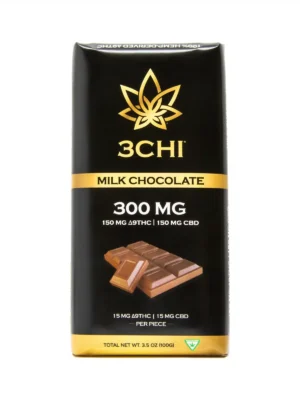
Cannabis Chocolate blends quality cocoa with extracted cannabinoids to deliver delta-9-tetrahydrocannabinol through the human digestive tract. When a person eats Cannabis Chocolate, the liver processes delta-9-THC into 11-hydroxy-THC. This active metabolite creates a more intense and extended psychoactive experience than inhalation. Cocoa fats bind effectively to cannabinoids, ensuring smooth absorption during digestion. However, this digestive process creates a delayed onset time lasting between 45 minutes and two hours. Australian patients learn that careful pacing prevents accidental overconsumption.
Federal laws classify tetrahydrocannabinol as a strict controlled substance across the country. Recreational cannabis products, including commercially packaged cannabis chocolates, remain completely illegal to buy, sell, or possess without formal approval. The Therapeutic Goods Administration (TGA) regulates all therapeutic cannabinoid items nationally. Consumers cannot purchase cannabis edibles off store shelves or through unverified online international marketplaces. Legal access requires navigating specific federal and state statutory pathways managed by licensed medical practitioners.
Patients seeking cannabinoid therapies must consult an Australian-registered medical practitioner or nurse practitioner. Clinicians evaluate qualifying health conditions such as chronic pain, anxiety, or sleep disturbances before starting treatment. The practitioner submits an application via the TGA Special Access Scheme (SAS-B) or the Authorised Prescriber (AP) Scheme. Once federal approval and relevant state health clearances pass, the clinician writes a legal script. Licensed community or compounding pharmacies dispense the prescribed medication directly to the verified patient.
Medicinal cannabis items supplied through legal channels meet strict manufacturing benchmarks known as Therapeutic Goods Order No. 93 (TGO 93). These standards guarantee accurate cannabinoid concentrations, thorough contaminant screening, and strict labeling transparency. Because most THC formulations fall under Schedule 8 as controlled drugs, pharmacists monitor safety closely. Pharmacists check real-time prescription monitoring databases to prevent overlap and protect patient safety. Patients receive professional counseling on dosage titration, safe home storage away from children, and side-effect management.
Operating a motor vehicle with any detectable trace of delta-9-THC is illegal in every Australian state and territory. Roadside oral fluid tests detect recent cannabis use, and a positive result brings immediate penalties, license suspensions, and court fines. Because cannabinoids remain active in bodily tissues long after consumption, prescription users face the exact same roadside rules as non-prescribed drivers. Employees working in safety-sensitive industries, aviation, or heavy machinery operation must also follow strict workplace zero-tolerance drug policies.
Unregulated websites often market illicit Cannabis Chocolate directly to Australian consumers while bypassing safety laws. These black-market items lack quality control, frequently display false potency labels, and may contain harmful synthetic adulterants or heavy metals. Buying products outside authorized pharmacy channels exposes consumers to legal prosecution for drug importation and unlawful possession. Protecting personal health and staying compliant means relying exclusively on doctor-supervised pathways and trusted Australian pharmacy stock.
Showing all 7 results






 Optimized by Seraphinite Accelerator